
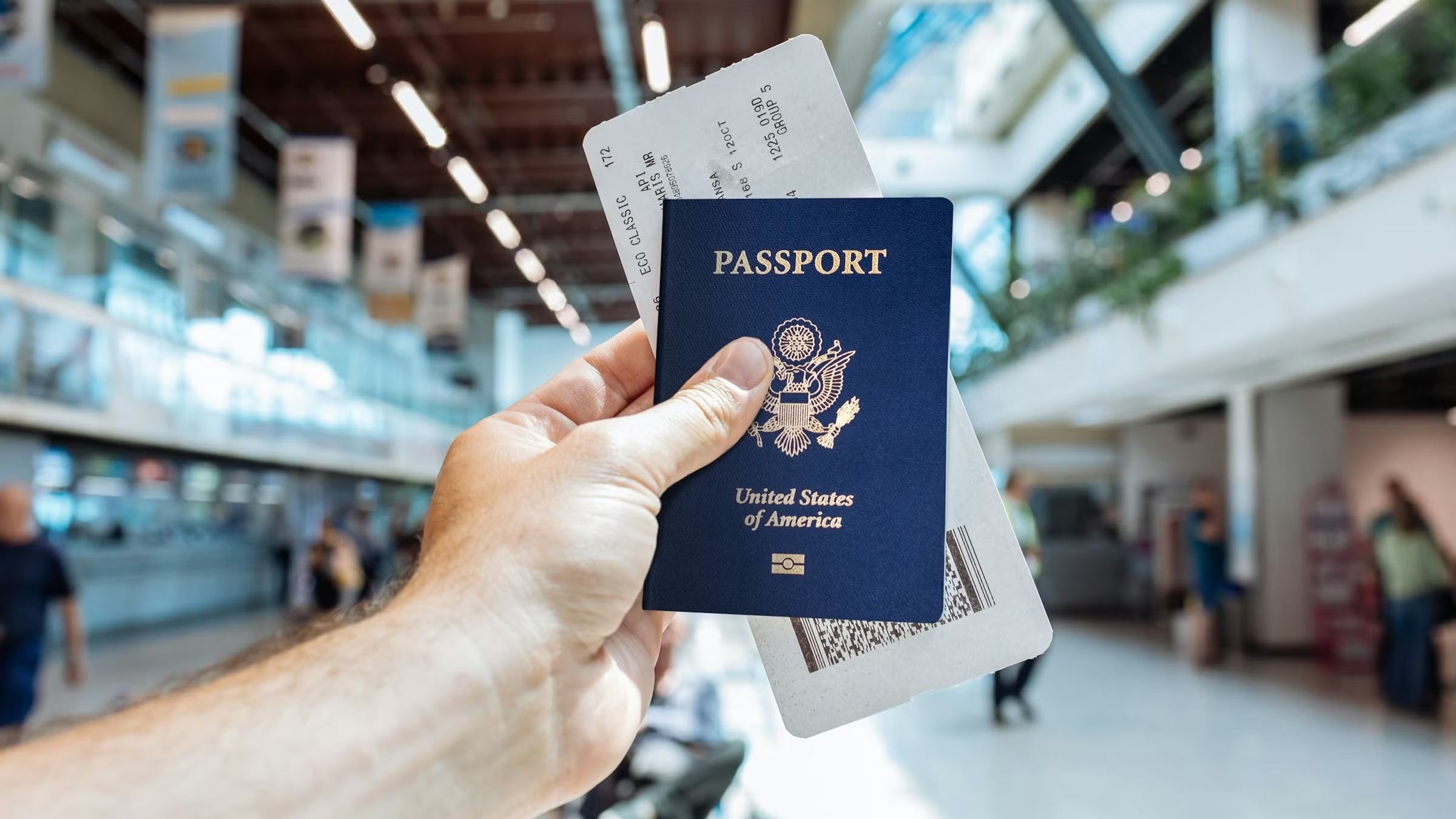
Can You Travel with a Green Card and No Passport?
If you are a permanent resident of the United States, you may wonder if your green card alone is enough to travel without carrying a passport. This is a common question, and the answer depends on where you are traveling: inside the U.S. or outside of it. Let’s break it down in simple words.
For domestic travel within the United States, a green card is usually enough on its own. But for international travel, you almost always need a valid passport along with your green card. A green card does not replace a passport the two documents serve completely different purposes.

Why a Green Card Isn’t a Substitute for a Passport
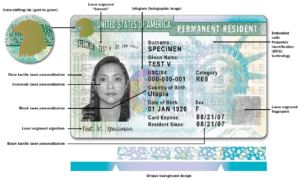
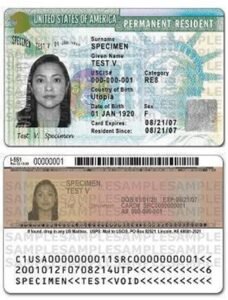
A green card, officially called a Permanent Resident Card, proves that you have the legal right to live and work in the United States. It does not prove your nationality or citizenship of any country, which is exactly what a passport is for.
Because of this difference:
- Your green card tells U.S. border officers that you are allowed to re-enter the country.
- Your passport tells foreign countries who you are and which nation you belong to.
Since a green card holder is not a U.S. citizen, they cannot get a U.S. passport. Instead, they need a valid passport from their own country of citizenship to travel internationally.
Traveling Within the U.S. (Domestic Flights)
If you’re only traveling inside the United States, you don’t need a passport at all. Your green card, along with another accepted form of identification (like a REAL ID or state driver’s license), is generally enough to get through airport security and board a domestic flight.
Traveling Outside the U.S. (International Flights)
This is where things change. If you are heading to another country, you will almost always need:
- A valid passport from your home country
- Your green card, to allow you to re-enter the U.S. afterward
- A visa, if required by the destination country
Airlines typically will not let you board an international flight without a valid passport, since it is the main document that proves your identity and nationality to foreign governments.
What If You Can’t Get a Passport From Your Home Country?
Sometimes, a green card holder faces a real problem — their home country refuses to issue them a passport, or getting one is extremely difficult due to political or personal reasons. In cases like this, it may be possible to apply for a Re-Entry Permit through U.S. immigration authorities.
A Re-Entry Permit acts as a travel document. It has an identification page and space for visa stamps, similar to a passport. However, keep in mind:
- Not every country accepts a Re-Entry Permit as a valid substitute for a passport.
- You should always confirm entry requirements with the destination country’s embassy before you travel.
- This option is meant for special situations, not as a regular replacement for a passport.
What Happens If Your Green Card Is Expired or Missing?
If your green card is expired but your status as a permanent resident is still valid, you may still be able to travel, but it can create extra questions at the border. It’s best to renew your green card before it expires to avoid delays or problems during travel.
If you’ve lost your green card while abroad, you will need to contact the nearest U.S. embassy or consulate for guidance on returning to the United States.
Key Points to Remember
- A green card proves U.S. residency, not citizenship or nationality.
- Domestic travel: green card alone is usually fine.
- International travel: you need both a valid passport and your green card.
- A U.S. passport is only available to U.S. citizens, not green card holders.
- A Re-Entry Permit can help in rare cases where a passport cannot be obtained, but it isn’t accepted everywhere.
Final Thoughts
In short, a green card lets you live and work in the U.S. and re-enter the country after travel, but it is not a passport. If you’re planning any trip outside the United States, make sure your passport is valid well before your travel date. If you’re facing passport issues due to your home country, speaking with an immigration attorney can help you understand your options, including whether a Re-Entry Permit fits your situation.
Frequently Asked Questions
Can I fly domestically with just a green card?
Yes. For flights within the United States, a green card along with another valid ID (like a REAL ID-compliant driver’s license) is generally accepted at airport security.
Can I travel internationally with only a green card and no passport?
No. For international travel, you need a valid passport from your home country in addition to your green card. Airlines usually won’t let you board without one.
Can I get a U.S. passport as a green card holder?
No. A U.S. passport is only issued to U.S. citizens. As a permanent resident, you are not a citizen yet, so you must use a passport from your own country of nationality.
What if my home country won’t give me a passport?
You may be able to apply for a Re-Entry Permit through U.S. immigration authorities. This can work as a travel document in some cases, but not every country accepts it in place of a passport, so it’s important to check with your destination’s embassy first.
Can I travel with an expired passport if I have a green card?
No, an expired passport is not valid for international travel. You will need to renew it before your trip, even if your green card is current.
Does my green card expiring affect my ability to travel?
Yes, it can. An expired green card may lead to extra questions or delays at the border, even if your permanent resident status itself is still valid. It’s best to renew it ahead of time.
What documents do I need to re-enter the U.S. as a green card holder?
You will generally need both your valid passport and your green card when returning to the United States after international travel.
Is a Re-Entry Permit the same as a passport?
No. A Re-Entry Permit is a special U.S. travel document used mainly for re-entering the United States. It is not a universal substitute for a passport and may not be accepted by every foreign country.
1 thought on “Can You Travel with a Green Card and No Passport? 2026”